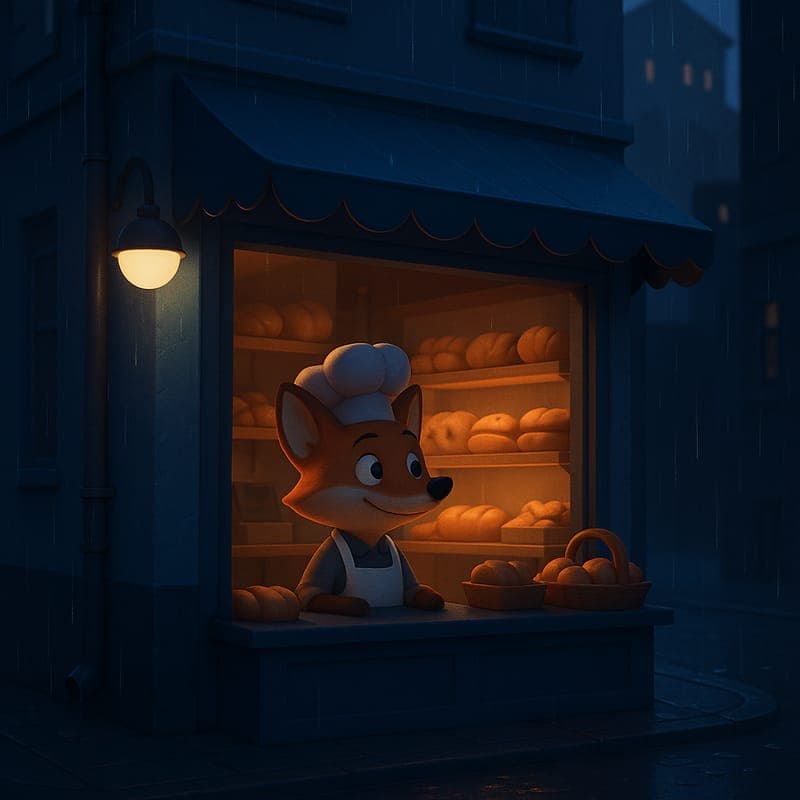
Character stills

Make an avatar your channel can keep using.

A one-off portrait is easy. An avatar that still looks like the same character three months and forty videos later is the hard part, and it's the part this workflow is built around.

Built for

Faceless channels · Podcasters · Community managers · Indie brands

3D toon character portrait

The practical difference

A character you can regenerate later without it quietly becoming a different person.

What the workflow helps you do

Make every scene serve the larger idea.

01

Consistency is a description problem first

Before reaching for any technical trick, most character drift comes from under-specified prompts. A character described as 'a friendly fox' will be a different fox every time. One described with fixed, repeatable attributes — colour, build, clothing, a distinguishing detail — survives regeneration far better.

02

Write the description once, reuse it forever

Keep the character paragraph somewhere you can paste it. Every future image and every future video scene starts from that same block of text, with only the situation changing around it.

03

The same character in motion

Because image and video share a style vocabulary, the avatar you settle on is a reasonable starting frame for animated scenes featuring the same character.

A better starting point

A production process you can repeat.

Use this as a planning sequence, not a rigid formula. The goal is to make the creative and editorial decisions before rendering so that the generated scenes have a clear job to perform.

Read about character consistency
  1. 01

    Fix the attributes

    Decide the handful of traits that must never change, and write them as plain nouns.

  2. 02

    Generate variations

    Run the same description a few times to see what the model treats as fixed and what it improvises.

  3. 03

    Lock the winner

    Save the exact prompt text that produced the version you want, not just the image.

Editorial guardrails

The part AI should not decide for you.

Two or three fixed details beat ten

Long descriptions dilute. A character with three memorable, repeatable features stays recognisable more reliably than one with a paragraph of equally weighted detail.

Style is part of the character

Switching style between generations changes the character as much as changing the description does. Pick one and stay in it.

Use this as a starting brief

Example prompt

A round-faced fox with a rust-red coat, small round glasses, and a green scarf, shoulders-up portrait

Adapt the audience, platform, character, story change, and visual style. The more the brief reflects your own format, the less the finished video will feel interchangeable.

Try it now

Make one image without signing up.

No account, no card. Sign up afterwards and the image you made is saved to your account, along with the rest of your three free images this month.

Frequently asked questions

Useful questions before you start.

Will the same prompt give the same avatar every time?

Not identically — generation is probabilistic. A tightly written description gets you close enough to read as the same character.

Can I animate the avatar?

Yes. The style carries over to video, and an approved still can open an animated scene.

Does it work for non-human characters?

Animals, mascots, and objects with faces tend to work better than photoreal humans in cartoon styles.

Start with an idea worth finishing.

Give the prompt a point of view, a viewer, and a clear final beat. The rest of the workflow becomes far easier to shape.